Description
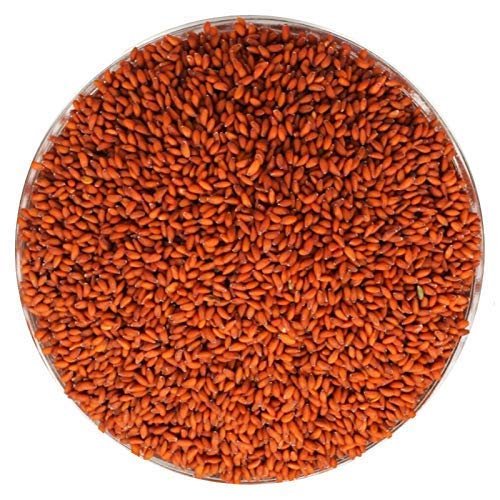
**Halim seeds**, also known as **Aliv** or **Garden Cress seeds** (*Lepidium sativum*), are considered a nutritional powerhouse in Ayurveda. They are characterized as **Katu** (pungent) and **Tikta** (bitter) in taste, with an **Ushna** (warming) potency.
Because of their heating nature, they are primarily used to balance **Vata** and **Kapha** doshas.
—
## Primary Uses in Ayurveda
### 1. Postpartum and Reproductive Health
Halim seeds are most famous as a **Galactagogue**, meaning they help promote the production of breast milk in nursing mothers.
* **Post-Pregnancy Recovery:** They are traditionally included in *Laddoos* (nutritional balls) given to women after childbirth to restore strength and balance hormones.
* **Menstrual Health:** Due to their phytochemical properties, they are used to help regulate irregular menstrual cycles and manage *Amenorrhea* (absent periods).
### 2. Management of Anemia
Halim seeds are exceptionally high in **Iron** and **Folic Acid**.
* Ayurveda recommends them for *Pandu* (anemia). Regular consumption is believed to significantly improve hemoglobin levels and reduce fatigue.
### 3. Respiratory Relief
Their warming (*Ushna*) property makes them effective for respiratory issues.
* They act as an expectorant, helping to clear excess mucus and congestion in cases of asthma, cough, and bronchitis.
4. Digestive Support
Laxative Properties:** The seed coat contains mucilage, which helps soothe the digestive tract and acts as a mild laxative to treat constipation.
Anthelmintic:** They are traditionally used to help expel intestinal worms.
5. Bone and Joint Health
Halim seeds are rich in calcium and protein.
* In Ayurveda, they are used to support bone density and help in the healing of fractures or joint pain associated with Vata imbalance.
## Traditional Ways to Consume Halim Seeds
* **Aliv Laddoos:** A classic preparation where the seeds are soaked in coconut water or milk and mixed with jaggery, grated coconut, and ghee. This makes the seeds easier to digest and balances their heat.
* **Halim Milk:** Soak a teaspoon of seeds in water for a few hours, then add them to warm milk with a pinch of turmeric.
* **Sprouts:** The seeds can be sprouted and added to salads or sandwiches, though Ayurveda generally prefers them cooked or soaked to manage their “Ushna” (heat) effect.
## Important Precautions
* **Pregnancy:** Because Halim seeds have uterine-contracting properties, they are generally **avoided during pregnancy**.
* **Thyroid Issues:** They contain goitrogens, which can interfere with iodine absorption. People with thyroid disorders should consult a practitioner before regular use.
* **Heat Sensitivity:** Because they are very warming, people with a **Pitta** constitution (prone to acidity or excessive body heat) should consume them in very small quantities and always paired with cooling ingredients like coconut or milk.