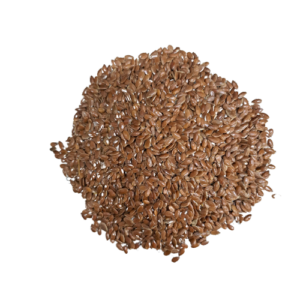
Description
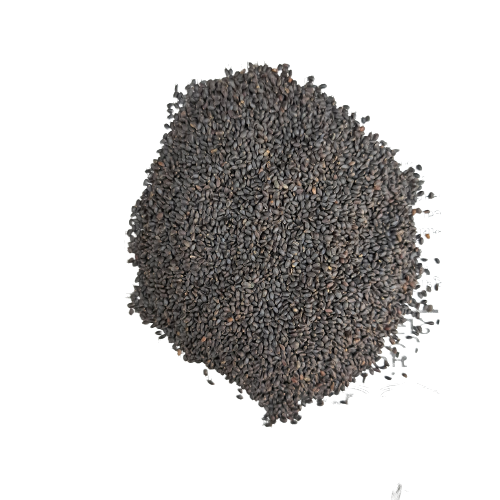
In India, Tukmariya and Sabja are actually two different names for the exact same thing: Sweet Basil seeds (Ocimum basilicum).
While “Sabja” is the most common name across India, “Tukmariya” (or Tukmaria) is the term frequently used in Gujarati, Marathi, and Persian-influenced culinary traditions.
The “Magic” of Sabja
The most unique feature of Tukmariya is that they are hy.drophilic. When placed in water:
They swell up to 10–12 times their size instantly.
They develop a translucent, jelly-like coating (mucilage).
They don’t have a taste of their own, but they provide a unique “pop” and Texture.
Tukmariya has been used in Ayurveda and Unani medicine for centuries, primarily for its “cooling” properties.
Natural Coolant: They are famous for lowering body heat. This is why they are the star ingredient in summer drinks like Falooda and Nimbu Pani.
Acidity Relief: The mucilaginous coating soothes the lining of the stomach and provides quick relief from burning sensations and acidity.
Weight Loss: Because they swell so much, they are very filling. Drinking Sabja water before a meal can significantly reduce appetite.
Blood Sugar Control: They help slow down the metabolism of carbohydrates into glucose, which is beneficial for Type 2 diabetics.
Constipation Relief: The high fiber content acts as a natural bulk laxative, helping to clear the digestive tract.