Description
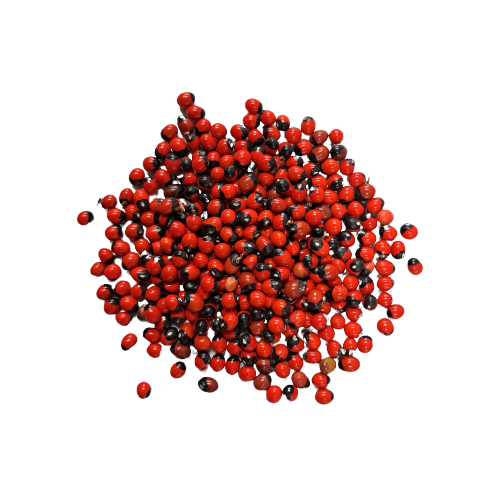
In Ayurveda, Red Gunja (Abrus precatorius) is classified as an Upavisha (a semi-poisonous or secondary poisonous substance). Because of its inherent toxicity, it is never used in its raw form; it must undergo a rigorous purification process known as Shodhana before it can be safely incorporated into medicinal formulations.
The Importance of Shodhana (Purification)
The raw seeds contain a highly toxic protein called abrin. Traditional Ayurvedic texts prescribe specific methods to neutralize these toxins, which essentially transform the substance from a poison into a therapeutic agent.
Process: The seeds are typically tied in a pottali (muslin cloth bundle) and boiled in media such as cow’s milk (Godugdha), sour gruel (Kanji), or sometimes lemon juice (Nimbu Swarasa) for several hours.
Scientific Validation: Research suggests that boiling in these media helps denature the toxic proteins or leach them out, significantly reducing the toxicity of the seeds.
Common Ayurvedic Uses.
Hair and Scalp Health: It is perhaps best known for Gunja Taila (oil) and pastes used to treat alopecia areata (patchy hair loss), promote hair regrowth, and manage premature graying.
Skin Disorders: Purified seed paste (Lepa) is applied topically to treat vitiligo, stubborn ulcers, and inflammatory skin conditions
Pain Management: The paste is often used externally to help relieve joint pain, sciatica, and swelling associated with arthritis or cervical spondylosis.
Disclaimer: This information is for educational purposes and is based on traditional Ayurvedic texts and research. It should not replace professional medical advice. Always consult with a certified Ayurvedic doctor before considering the use of any medicinal herb, especially one classified as Upavisha.