Description
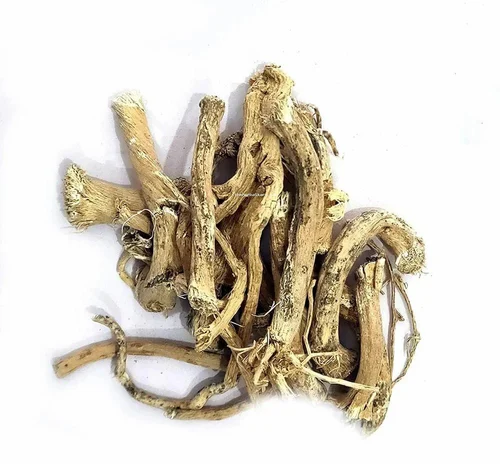
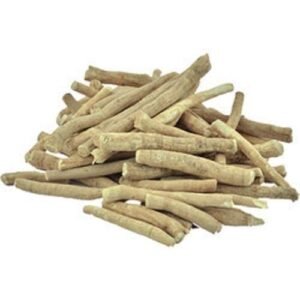
Indrayan Mool (the root of Citrullus colocynthis, commonly known as Bitter Apple or Indravaruni in Sanskrit) is categorized in classical Ayurveda as a highly potent, sharp, and penetrating herb
Liver and Spleen Detoxification (Yakrit-Pleeha Vikara)
Indrayan Mool acts directly on the biliary system and hepatic channels.
It stimulates sluggish liver function, improves the flow of bile, and helps reduce enlargement of both the liver and the spleen (Splenomegaly).
It is traditionally formulated into pastes or decoctions with jaggery to support recovery from severe Jaundice (Kamala).
Joint Pain and Rheumatoid Arthritis (Amavata)
Because it possesses intense Ushna (heating) properties and acts as a natural analgesic:
It breaks down Ama (toxic sludge) deposited in the joints that causes inflammation and stiffness.
The root powder is traditionally combined with warming herbs like Pippali (Long Pepper) or Ashwagandha to alleviate debilitating joint pains, sciatica, and chronic rheumatism.
Blood Sugar Regulation (Prameha / Diabetes)
Classical texts and modern studies alike highlight the hypoglycemic effects of Indrayan root extracts.
It stimulates pancreatic cell activity, enhancing natural insulin sensitivity and helping to regulate erratic blood sugar levels in Type-2 diabetes.
Parasitic Infections & Skin Diseases (Krimi & Kushta)
Anti-Parasitic: The root’s intense bitterness makes the intestinal environment entirely hostile to worms and parasites, safely expelling them.
Skin Health: Purified root pastes are applied externally to treat chronic skin ailments, boils, stubborn acne, and slow-healing wounds due to its strong antimicrobial profile.