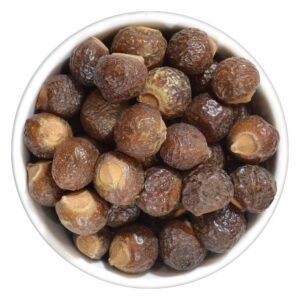
Description
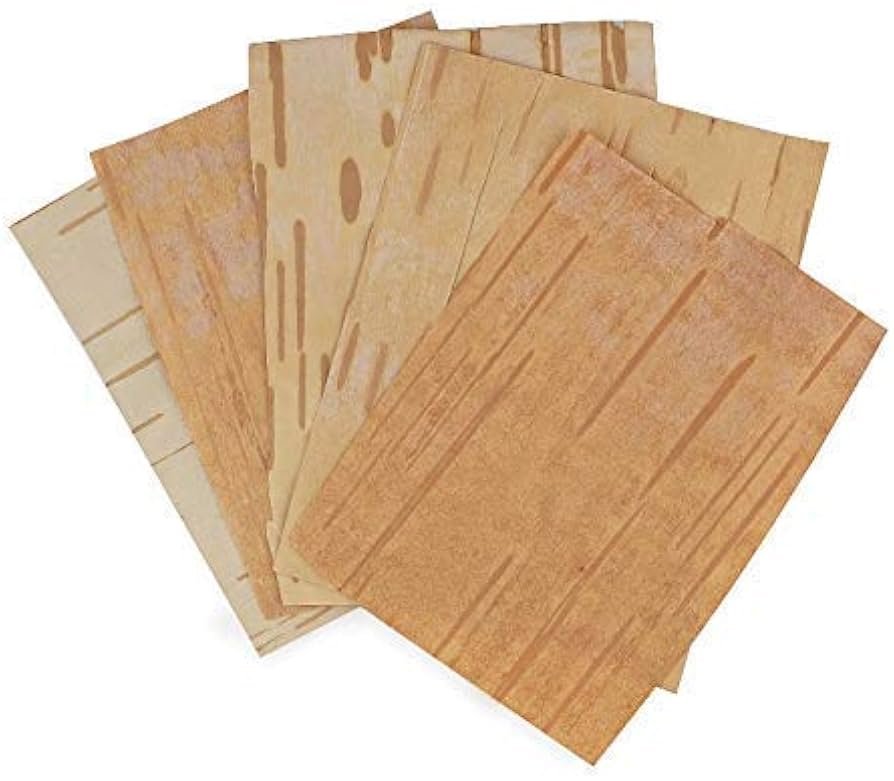
For thousands of years before the invention of modern paper, this unique natural material served as the primary writing surface in India and Central Asia for documenting sacred texts, mantras, and historical records.
The word comes from Sanskrit, where Bhurja refers to the tree and patra means leaf or sheet.
The Ancient Paper: Great epics like the Mahabharata, early Buddhist canons, and crucial Ayurvedic texts were originally penned on dried, oiled layers of this bark using special inks made from charcoal and pomegranate juice.
Spiritual & Ritualistic Use: Even today, Bhojpatra holds immense significance in Vedic rituals. It is widely used to draw yantras (sacred geometric diagrams) and write specific protective mantras during prayers, which are then often rolled up and worn inside metal amulets (taveez).