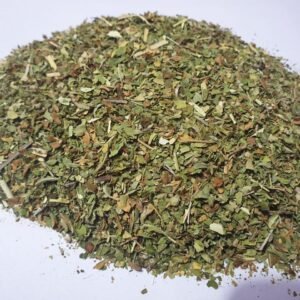
Description
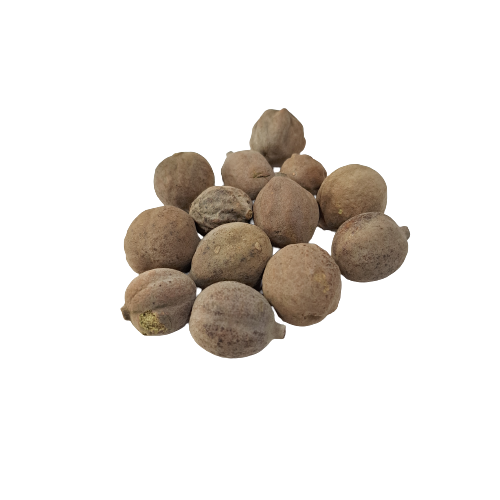
Baheda (botanical name: Terminalia bellirica), also known as Bibhitaki, is a massive deciduous tree native to the plains and lower hills of Southeast Asia and India.
Key Health Benefits & Traditional Uses
1. Respiratory Wellness (Kas-Shwas)
Baheda is a premier herb for the respiratory system. It acts as a natural expectorant, helping to liquefy and expel accumulated mucus from the lungs and bronchial pathways. It is widely used to manage chronic coughs, sore throats, and congestion.
2. Digestive and Colon Support
As part of Triphala, Baheda plays a specific role in toning the intestinal walls. While Harde is more laxative, Baheda has mild astringent properties that help regulate bowel movements, reduce inflammation in the gut, and strengthen digestive efficiency (Agni).
3. Hair and Scalp Health
The antimicrobial and astringent nature of Baheda makes its seed oil or powder paste highly beneficial for hair care. It helps soothe scalp infections, minimizes dandruff, and is traditionally used to prevent premature graying and promote hair growth.
4. Vision and Eye Care
In classic texts, it is categorized as Chakshushya (wholesome for the eyes). Fine filtrations of Triphala decoctions or specific Baheda formulations are traditionally utilized to reduce eye strain and support overall visual acuity.
Common Ways It Is Used
Churna (Powder): Typically taken in doses of 1–3 grams with warm water or honey after meals.
Triphala Integration: Most commonly consumed within Triphala powder or tablets to support daily detoxification and digestive regularity.
Sore Throat Remedy: A classic home application involves gently chewing a small piece of the dried fruit rind (without the seed) to instantly soothe an irritated throat and ease a dry cough.
Important Note: The seed kernel inside the hard Baheda fruit shell should not be consumed in large quantities, as it can have narcotic-like effects. Always ensure you are using the dried fruit rind/rind powder.