Description
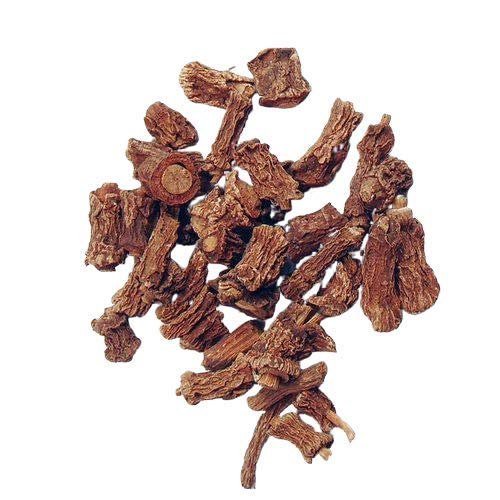
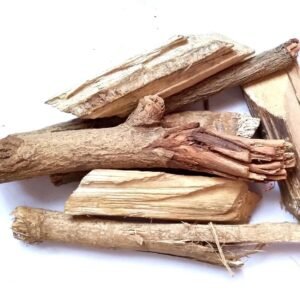
Anantmool (Hemidesmus indicus), also known as Sariva, is one of the most important “Raktashodhaka” (blood purifier) herbs in Ayurveda. It is uniquely valued because it is Sheeta (cooling) in potency but also possesses a Sugandhi (fragrant) aroma, which helps in calming both the body and the mind.
Primary Uses in Ayurveda
1. Blood Purification and Skin Health
Anantmool is a premier herb for “Rakta Shuddhi” (cleaning the blood).
Skin Disorders: It is used to manage inflammatory skin conditions like acne, eczema, psoriasis, and urticaria (hives) by removing heat and toxins from the blood.
Complexion: Regular use is believed to improve skin glow and clear blemishes.
2. Natural Coolant and Heat Management
Due to its cooling nature, it is used whenever there is excessive “Ushna” (heat) in the body.
Burning Sensations: It helps relieve burning in the eyes, palms, soles, and during urination (UTIs).
Summer Tonic: In many parts of India, a syrup made from the roots (Nannari) is consumed to prevent heatstroke and dehydration.
3. Reproductive Health
Anantmool is considered a Shukra Janana herb (supporting reproductive tissue).
For Women: It is used to manage heavy menstrual bleeding (Raktapradara) and to balance hormones. In some traditions, it is also used to support breast milk purification (Stanya Shodhana).
For Men: It is used as a mild aphrodisiac and to improve the quality of reproductive fluids.
4. Digestive and Kidney Support
Appetite: It acts as a mild digestive stimulant (Deepana) without increasing body heat.
Detoxification: It helps the kidneys filter out toxins and is often used to manage chronic low-grade fevers that originate from digestive impurities.
5. Respiratory Relief
It is used in traditional formulations to treat asthma and cough, especially when accompanied by a burning sensation in the chest or throat.